Specialist Environmental Consulting: Customized Services to Tackle Your Sustainability Issues
Specialist environmental consulting plays an essential role in helping organizations manage their distinct sustainability challenges. By delivering customized services, these consultants lead businesses through complicated regulatory landscapes and assist in minimizing ecological footprints. Their expertise covers a variety of areas, including emissions reduction and waste management. Understanding the specific needs of each organization is critical to success. As sustainability becomes progressively important, what strategies can organizations adopt to strengthen their environmental performance?
Grasping the Function of Environmental Consultants
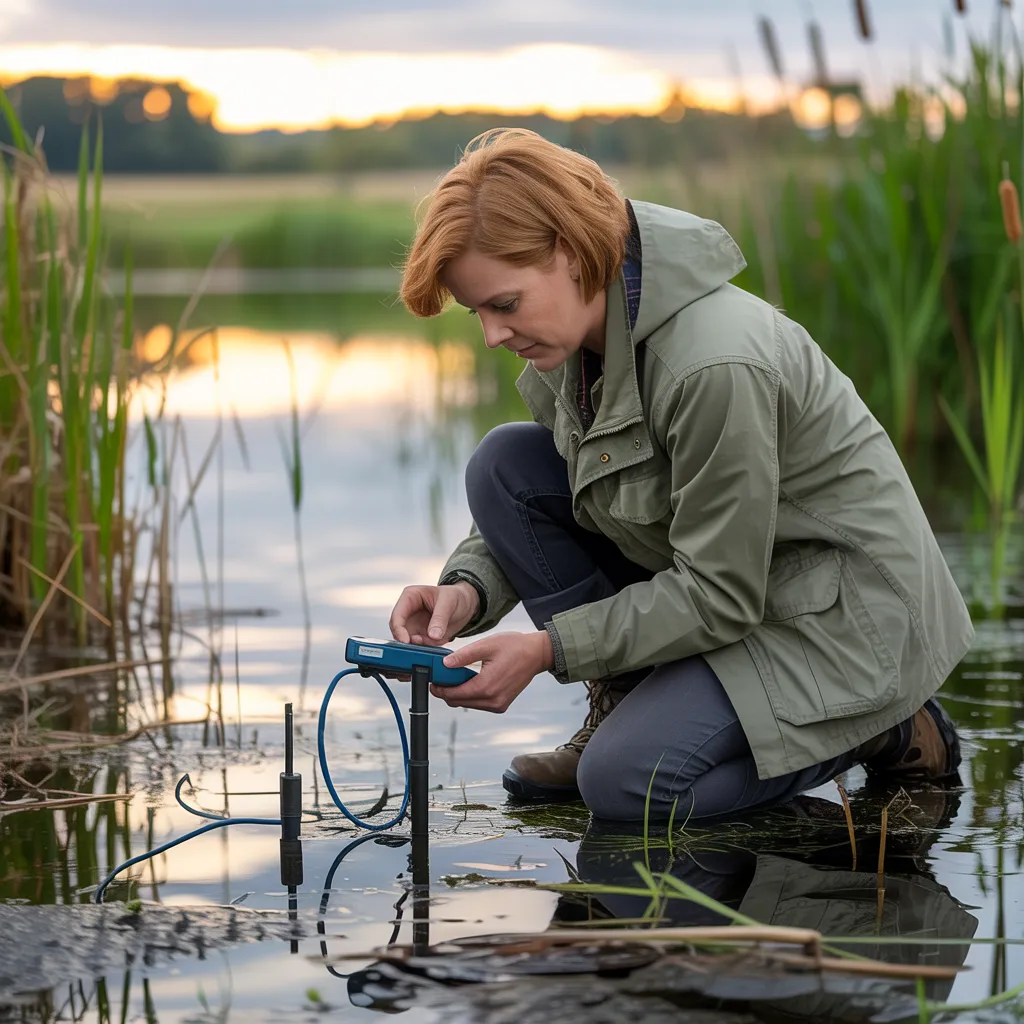
Though environmental consultants may operate out of the spotlight, their effect on sustainable practices is substantial. These professionals act as essential advisors to organizations seeking to lower their ecological footprint. They assess environmental regulations, evaluate risks, and formulate strategies to ensure compliance with sustainability standards. By recognizing the complex interplay between industry operations and environmental health, consultants provide valuable insights that guide responsible decision-making.
Furthermore, their proficiency extends to recognizing innovative solutions that enhance resource efficiency and reduce waste. Environmental consultants also enable stakeholder engagement, making sure that community concerns and ecological considerations are handled in project planning. Their work often involves conducting environmental impact assessments, which serve as foundational tools for sustainable development. Eventually, environmental consultants play a vital role in guiding organizations toward practices that not only adhere to legal requirements but also promote long-term ecological viability and social responsibility. Their influence is vital in fostering a culture of sustainability across diverse sectors.
Key Services Offered by Environmental Consulting Firms
Environmental advisory firms deliver vital services that promote eco-friendly practices across multiple industries. Core services comprise Environmental Impact Assessments to examine project effects, Sustainability Strategy Development to strengthen long-term environmental performance, and Regulatory Compliance Guidance to ensure adherence to environmental laws. These services are critical for organizations aiming to minimize their ecological footprint while achieving their business objectives.
Environmental Impact Evaluations
When assessing the potential impacts of a proposed project on the environment, Environmental Impact Assessments (EIAs) work as a critical tool for decision-making. These assessments systematically assess the environmental effects of projects, accounting for factors such as air and water quality, biodiversity, and social consequences. Environmental consulting firms specialize in conducting EIAs, providing expertise to guarantee compliance with regulatory requirements while identifying potential risks linked to development activities. The EIA process typically incorporates public consultations, data collection, and impact mitigation strategies. By undertaking this rigorous evaluation, stakeholders can make informed choices that correspond to sustainability goals, ultimately reducing adverse consequences on the environment and promoting responsible resource management.
Environmental Strategy Development
As companies more and more understand the value of environmental responsibility, sustainability strategy development emerges as a crucial service offered by environmental consulting firms. These firms work collaboratively with clients to identify specific sustainability goals matching their business objectives. By conducting extensive assessments, consultants examine current practices and identify areas for improvement. They provide tailored strategies that encompass resource efficiency, waste reduction, and renewable energy integration. Additionally, consultants assist in fostering a culture of sustainability within organizations, securing employee engagement and stakeholder buy-in. Finally, these customized strategies not only improve environmental performance but also advance long-term economic viability, positioning organizations as leaders in sustainability within their individual industries.
Compliance and Regulatory Guidance
How do organizations manage the intricate world of environmental regulations? Environmental consulting firms deliver regulatory compliance guidance that plays a crucial part in this process. These companies offer specialized knowledge of local, state, and federal regulations, assisting organizations in comprehending their legal responsibilities. They perform compliance assessments, pinpoint possible risks, and suggest optimal practices for compliance. Additionally, consultants assist in the preparation of necessary documentation, such as permits and reports, ensuring that organizations meet regulatory standards efficiently. Through capitalizing on their experience, organizations can sidestep costly sanctions and boost their image as responsible corporate citizens. This customized assistance allows companies to both meet regulations and adopt sustainable practices that correspond with their long-term objectives.
The Importance of Tailored Sustainability Strategies
Tailored sustainability approaches are vital for successfully addressing the distinct environmental needs of different organizations. By customizing approaches, companies can optimize resource efficiency and implement solutions that match their particular goals. This strategic approach fosters greater impact and long-term success in sustainability initiatives.
Personalized Approach to Sustainability
Though many entities recognize the urgency of integrating sustainable practices, a one-size-fits-all approach typically proves inadequate to address the distinct challenges and opportunities each company faces. Custom sustainability strategies are vital for effectively managing the complexities of environmental concerns. Each organization possesses distinct operational structures, resource availability, and stakeholder expectations, which call for customized solutions. By conducting thorough assessments, consultants can recognize specific areas for improvement, confirming that sustainability initiatives correspond to organizational goals and values. This personalized approach not only enhances the effectiveness of sustainability efforts but also encourages greater buy-in from employees and stakeholders. Finally, organizations that pursue customized sustainability strategies are better positioned to achieve long-term environmental impact and resilience in an increasingly demanding global landscape.
Tackling Particular Ecological Needs
As enterprises address the diverse challenges presented by environmental issues, acknowledging the individual needs of each entity becomes essential for effective sustainability initiatives. Personalized sustainability strategies enable organizations to manage specific environmental impacts, regulatory requirements, and stakeholder expectations. As opposed to a one-size-fits-all approach, tailored strategies foster targeted actions that reflect an organization's unique goals and operational realities. This specificity empowers businesses to allocate resources strategically, making certain that efforts deliver meaningful results. Additionally, understanding unique environmental needs promotes innovation, motivating organizations to discover novel solutions that support long-term sustainability. By consulting expert environmental consultants, organizations can manage complex challenges with precision, improving their resilience while fostering a culture of sustainability that flows throughout their operations.
Enhancing Resource Effectiveness Strategies
Strategic resource efficiency approaches are crucial for organizations aiming to enhance sustainability and minimize waste. Personalized approaches allow businesses to pinpoint specific areas for improvement, ensuring that resources are utilized effectively. By examining operational processes and resource consumption patterns, organizations can deploy targeted measures that reduce excess and increase efficiency. This could encompass optimizing energy use, reducing water consumption, or minimizing material waste through innovative recycling practices. Moreover, engaging employees in sustainability initiatives fosters a culture of responsibility, leading to more sustainable behaviors across the organization. In the end, adopting customized resource efficiency approaches not only leads to environmental goals but also enhances overall operational performance, positioning organizations as leaders in sustainability efforts within their specific industries.
Calculating CO2 Footprints and Reduction in Emissions
Assessing carbon footprints and pinpointing opportunities for emission reductions are essential steps in promoting sustainability within organizations. This process involves a detailed analysis of greenhouse gas emissions produced through diverse activities, including energy consumption, transportation, and waste disposal. By employing specialized tools and methodologies, environmental consultants can precisely quantify these emissions, supplying organizations with a clear understanding of their environmental impact.
After the carbon footprint is calculated, consultants can identify specific areas where reductions can be achieved. This may include recommending energy-efficient technologies, enhancing supply chains, or implementing renewable energy solutions. Additionally, organizations can establish tailored strategies to involve employees and stakeholders in sustainability initiatives, cultivating a culture of environmental responsibility.
In the end, assessing carbon footprints not only helps with compliance with regulations but also boosts an organization's reputation, possibly leading to greater customer loyalty and market competitiveness in an increasingly eco-conscious marketplace.
Crafting Efficient Waste Management Frameworks
Companies that have analyzed their carbon footprints often find that waste management is a notable contributor to their overall environmental impact. Creating effective waste management plans is essential for businesses striving to decrease this impact. Such plans should commence with a comprehensive waste audit to identify the types and volumes of waste generated. This information allows organizations to focus on key areas for improvement.
Following this, setting clear waste reduction goals is vital, focusing on practices including source reduction, recycling, and composting. Introducing employee training programs fosters a culture of sustainability, making certain everyone understands their role in effective waste management. Moreover, organizations should establish partnerships with local recycling facilities and waste haulers to maximize resource recovery.
Routinely assessing and adjusting the waste view this guide management plan provides continued progress and adaptation to changing regulations or technologies. In the end, an effective waste management strategy can substantially reduce an organization's environmental footprint while promoting economic efficiency.
The Advantages of Long-Term Collaborations With Consultants
Establishing enduring partnerships with environmental consultants can considerably elevate an organization's sustainability endeavors. These collaborations facilitate a enhanced understanding of the organization's distinct challenges and goals, empowering consultants to offer bespoke solutions over time. As consultants become familiar with the organization's operations, they can create better strategies, assess progress, and refine recommendations based on evolving demands.
In addition, enduring collaborations foster mutual trust and clear communication, promoting quick input and preventive issue resolution. This ongoing partnership enables organizations to gain steady counsel and help, resulting in more sustainable practices and strengthened compliance with regulatory requirements.
Furthermore, partnerships with consultants can lead to cost efficiencies, as organizations can gain access to proprietary resources or tools established through ongoing collaboration. Finally, a sustained partnership empowers organizations to navigate intricate sustainability challenges more effectively, guaranteeing long-term environmental and economic benefits.
Questions & Answers
How Do I Select the Best Environmental Consulting Firm for My Requirements?
To pick the right environmental consulting firm, one should evaluate specialized skills, client ratings, service offerings, and industry experience. Moreover, gauging compatibility with particular sustainability goals and budgetary constraints is vital for perfect selection.
What Professional Qualifications Should I Consider in an Environmental Consultant?
In selecting an environmental consultant, you should consider qualifications such as relevant degrees, certifications, background in specific environmental matters, knowledge of regulations, and a demonstrated history of successful project management and client satisfaction.
In What Way Do Environmental Consultants Bill for Their Services?
Environmental consultants typically charge based on project scope, hourly fees, or flat rates. Elements affecting fees include professional knowledge, regional factors, and project intricacy, ensuring clients receive customized solutions that match their particular environmental requirements.
Are Environmental Consultants Help Regarding Regulatory Compliance Concerns?
Indeed, environmental consultants can support organizations in addressing regulatory compliance concerns. They deliver advice on pertinent laws and regulations, supporting clients through complicated requirements to maintain adherence, minimize risks, and avoid potential penalties or legal challenges.
Which Sectors Gain the Most From Environmental Consulting Services?
Sectors including manufacturing, energy, construction, and agriculture gain the greatest advantage from environmental consulting services. Such industries often face complicated regulations and environmental challenges, requiring expert guidance to ensure compliance and encourage sustainable practices.